
Earning "Stackable" College Credentials
A Clear Pathway from Trade Certificate to a Four-Year Degree

One of my readers commented on a recent post I made regarding college sports-team mascots. Our story was a light-hearted piece about how some college mascots – such as Lumberjacks, Miners, (and yes my favorite), the Shockers – recalled long-gone days as vocational training schools.
You can read that post here.
However the commenter mentioned that many legacy four-year colleges still had thriving trades-related certificate and two-year programs, and I had perhaps missed that piece of the academic puzzle.
And that’s a fair point.
Here at VoTech News we do tend to focus on two-year or certificate trade school programs because they’re often the fastest way to earn a marketable trade skill.
These shortened programs open up the employment doors faster, which is very important to many students and career changers. Many of these students don’t have the means or time to attend a four-year college.
But what some private “trade” schools and others often don’t provide is what’s called “stackable” credentials. That means they lack the transferable college credits that allow students, if they choose, to easily move from certificates into a four-year institution.
That’s important because often after a couple years in a trade position a worker will see that supervisory or other positions are available only to those with a four year degree. It’s then that stackable credentials become important.
So let’s take a look at some of these stackable credential programs.
The Rise of the “Applied” Bachelor’s Degree
Many of these programs start with certificates or Associate of Applied Science (AAS) degrees, then ladder directly into a Bachelor of Applied Science (BAS) or similar degree.
These programs are designed differently than traditional academic majors:
They start with job-ready skills
They stack credentials (certificate → associate → bachelor’s)
And they often allow seamless transfer within the same institution or system
Traditional trade schools are excellent at getting students into the workforce quickly. But they don’t always offer a pathway to leadership roles later on.
Applied bachelor’s and technology programs aim to do both. This model recognizes a key reality: not every student wants (or needs) a bachelor’s degree at 18 years old, but many may want one at 25 or 30.
Concrete Examples
There are many examples of these programs around the country, which can be found here. But let’s highlight three of these hybrid pathways in a diverse range of fields:
1. Construction and Trades Programs at Idaho State University
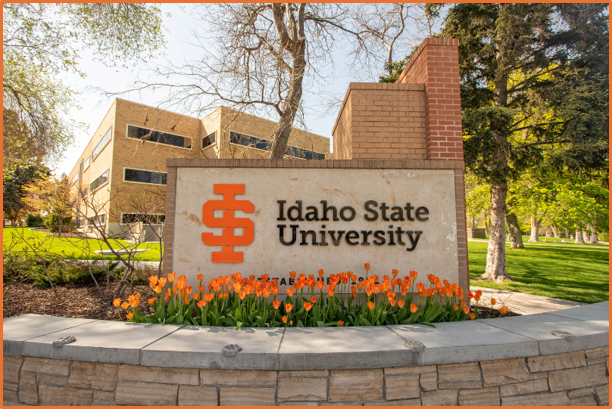
A great illustration is the many career pathways offered at Idaho State University.
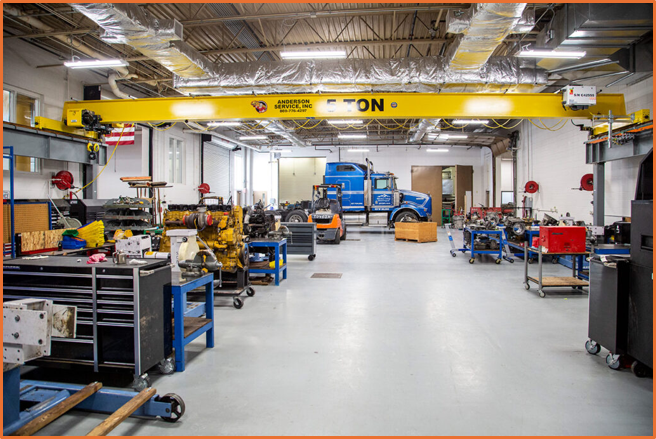
Students can begin with hands-on training in construction, hospitality and energy trades such as onsite power generation. From there, they can continue into broader applied or technical degree programs offered by the same institution.
2. Advanced Manufacturing & Robotics at Edmonds College
Programs like the Associate of Applied Science in Robotics and AI at Edmonds College in Washington State focus on hands-on production systems, automation, and troubleshooting.
These are modern “trades” in every sense, just with more code and sensors.
3. Aircraft Maintenance at Arkansas State University
The aviation maintenance program at Arkansas State University in West Memphis, Arkansas provides a pathway to certification as a Federal Aviation Administration (FAA) Airframe and Powerplant mechanic.
Like the others, this program can lead into applied bachelor’s degrees in technology management or applied engineering, positioning graduates for supervisory roles.
Flexibility and Optionality
For the right student, this certification-to-degree model solves several persistent problems.
1. It De-risks the Four-Year Degree
Instead of committing to four years upfront, students can:
Earn a credential in 12–24 months
Start working
Then decide whether to continue
That flexibility is powerful, especially in uncertain economic conditions.
2. It Preserves Optionality
A student who starts in welding, diesel, or healthcare doesn’t have to choose between:
Staying in a technical role forever
Or going “back to school” later
The pathway is already built.
3. It Aligns With How Students Actually Progress
Most community college students say they want a bachelor’s degree, but research consistently shows only about 1 in 6 actually earn one within six years, often due to lost credits and unclear transfer pathways.
Well-designed applied pathways fix that by creating intentional, pre-aligned curricula rather than leaving transfer to chance.
As higher-ed organizations note, some technical colleges now explicitly offer four-year degrees or structured transfer pathways to support this progression .
Who Should Consider This Route?
Not every student needs this model. But it’s a strong fit for:
Students who want hands-on work immediately
Students unsure about committing to a traditional 4-year path
Students who may want management or ownership roles later
Career-switchers looking for both skills + credentials
Former military personnel who have GI benefits and trade skills, but lack civilian certificates and credentials.
It’s especially compelling for students who are capable of four-year college work, but don’t want to spend two years in lecture halls before touching real equipment.
What to Look For in a Program
Not all “applied” degrees are created equal. If you’re advising students here are key signals of a strong program:
1. Stackable credentials
Can you earn something valuable after year one or two?2. Clear transfer pathways
Are the AAS credits guaranteed to count toward the bachelors degree within that state college system or other regional colleges?3. Industry alignment
Does the program include certifications, internships, or employer partnerships?4. Career outcomes at each stage
Can you get a job after the associate degree—not just after the bachelor’s?
The Bigger Shift
The most interesting thing about these programs isn’t just that they exist, that they provide a clear pathway with stackable credentials.
So instead of asking: “College or trade school?”
Students can now ask: “What’s the smartest sequence of credentials for my career?”And increasingly, the answer might be: Start with a trade, then build into a degree.
Not the other way around.
One of my Power System Operators went through the remote Bachelors degree program at Bismarck State. Bismarck does recognize experience as part of your credit. It wasn't easy, but he did it. So even a late career tradesman with no original VoTech degree can earn a,Bachelors through these programs.